
The RayNeo GT Max specs are just like the Xreal One Pro I love but cheaper
Since publishing my review of them, I’ve had one pair of XR glasses at the top of my list: the Xreal One Pro. RayNeo has always been a close second, but here at IFA 2026 they may have just snatched the crown.
That’s thanks to the newly unveiled RayNeo GT Max specs, which boast improved audio and visual performance compared to anything RayNeo has made before. Best of all, the upgrades won’t break the bank at just $429 / £399 (not sold directly in Australia) — notably cheaper than the $599 / £579 Xreals.
Let’s start with audio. The big change is the GT Max houses larger drivers than ever before. This leads to richer and more impactful bass and midtones than I’ve ever seen from previous display glasses, and the audio was already solid on RayNeo’s specs.
The hardware has been tuned by Bang and Olufsen, whose expertise has optimized the EQ with the promise that we’ll get the best performance possible out of RayNeo’s tech.
This can be enhanced further by sound tubes, which direct the sound more directly into your ear, though they’re a paid add-on.
The biggest changes come to visuals, however.
The most obvious is the new optic engine prism, which reflects the microOLED screens into your eyes. They’re now the flatter shape debuted by Xreal in its One Pros, which has two advantages.
First, the design plus anti-reflective coating has greatly reduced the impact of reflections disrupting your vision as you watch your show, film, game, or whatever you’re viewing. Secondly, it allows for a larger 57-degree field of view, meaning the virtual image can be much larger and more immersive.
This upgrade was easily the best the Xreal One Pro has boasted, and the main reason it topped my list for so long. This prism’s arrival on rayNeo specs is greatly appreciated.
The other visual enhancement of the GT Max glasses is that they’re the first XR glasses to support Dolby Vision — a codec that enables great color clarity and contrast. You’ll need to view Dolby Vision content to take advantage of it, but when you do, it’ll make the content look better than it has before.
Better, but not bank breaking
Normally, major upgrades like this would lead to a serious price hike. Sure, they’re pricier than RayNeo’s more budget-friendly specs, but at $429 / £399, the GT Max is decidedly mid-range.
In contrast, the Xreal One Pros will set you back $599 / £579. There are still some reasons to opt for the specs, most notably Xreal’s 3Difying tech, which makes any flat images stereoscopic — including games and movies — but this RayNeo launch makes the full-price One Pros look less appealing.
Of course, my full thoughts will have to wait until I can review the RayNeo specs properly, but the GT Max are ones to watch if you want excellence at a more affordable price, and they’re at the top of my list for specs to check back in on during Black Friday (where sales, even on newer RayNeo tech, are sure to land).
Follow TechRadar on Google News and add us as a preferred source to get our expert news, reviews, and opinion in your feeds.
How It works
Search Crack for
Latest IT News
Latest cracks
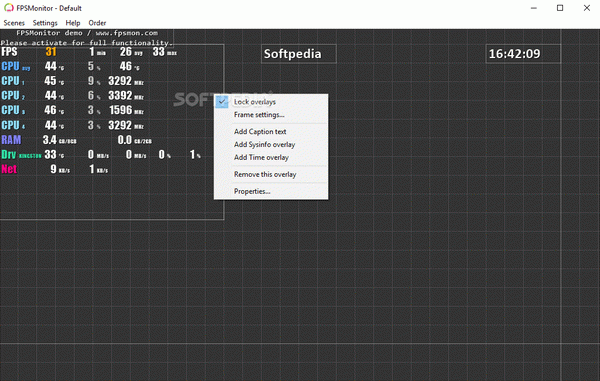
Monitor your FPS and a wide range of hardware parameters while gaming, with this intuitive and extensively customizable application
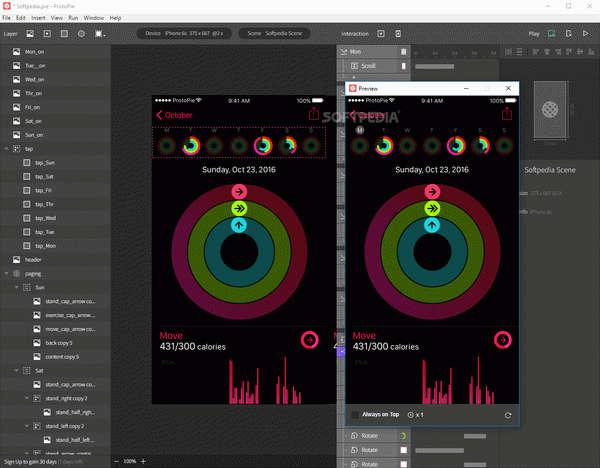
Develop complex applications for iOS devices with the help of this comprehensive and user-friendly piece of software for prototyping